
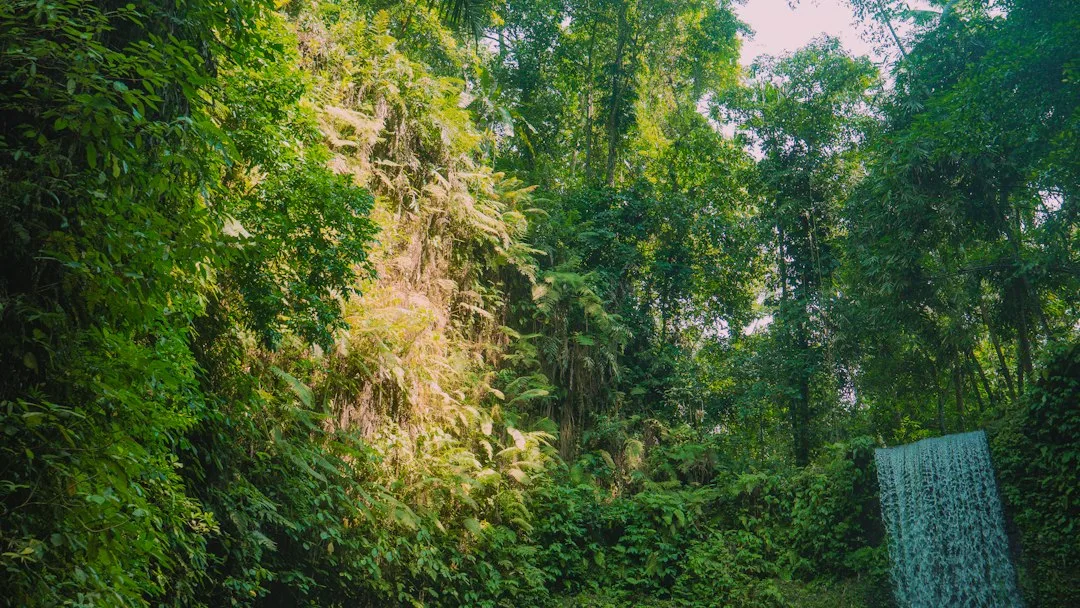
Planning a Bali dirtbike adventure? Knowing bali what to wear dirtbike is the first step to staying comfortable, protected, and ready for the island’s wild off‑road trails, volcanic slopes, and lush rice‑terrace routes. From humid jungles to cool mountain passes, the right outfit can make the difference between an unforgettable ride and a day cut short by discomfort or injury. Below is a practical, step‑by‑step gear guide that blends safety, climate adaptation, and the spirit of Bali adventure.
Bali’s landscape is a patchwork of volcanic ash, riverbeds, muddy tracks, and steep climbs. Each surface presents unique hazards – rocks that can puncture a tire, sudden drops that demand reliable brakes, and dust that can impair vision. Wearing the appropriate gear not only shields you from these physical risks but also helps you manage the island’s tropical climate, which swings from humid coastal heat to breezy highland chill.
A sturdy helmet, reinforced jacket, and padded boots are non‑negotiable. Even on well‑maintained paths, an unexpected tumble can cause serious injuries. Protective gear absorbs shock, reduces abrasions, and keeps you riding longer.
Typical Bali dirtbike tours last anywhere from 2 to 6 hours. Breathable fabrics, moisture‑wicking layers, and adjustable ventilation prevent overheating and keep you focused on the scenery – whether you’re skimming past the iconic rice terraces of Ubud or climbing the slopes of Mount Batur.
The foundation of any dirtbike outfit is a blend of protection, durability, and climate control. Below is a checklist of essential items, organized by function.
Bali enjoys a tropical climate, but micro‑climates vary dramatically. Coastal areas (Kuta, Seminyak) are hot and humid, while the central highlands (Ubud, Bedugul) can be cool, especially at sunrise. Understanding these shifts lets you layer smartly.
Even if you own a dedicated dirtbike boot, bring a pair of breathable socks (preferably wool) to prevent blisters. In humid conditions, extra socks can be swapped halfway through a multi‑hour tour.
Sun protection is a must: apply broad‑spectrum sunscreen before you gear up, and reapply every two hours. Dust from volcanic ash can be irritating; a helmet visor with a tinted lens reduces glare while protecting your eyes. When rain hits, the waterproof liner in your jacket and the quick‑dry nature of synthetic base layers keep you from feeling soaked.
Space is limited on a dirtbike, so pack efficiently. Use compression bags for clothing, and keep your gear organized in a small dry‑bag that can be strapped to the bike’s rear rack.
HRKADVENTURES offers a fleet of well‑maintained dirtbikes ranging from beginner‑friendly 125cc models to powerful 250cc machines for experienced riders. The bike’s seat height and foot‑peg position influence how your gear fits. For example, taller riders may need longer‑legged pants, while shorter riders benefit from adjustable seat heights that keep the knees slightly bent for better control.
With this gear guide in hand, you’re ready to explore Bali’s spectacular off‑road playground – from the misty volcano paths of Mount Batur to the winding jungle trails of the Bukit Peninsula, and the iconic rice‑terrace vistas of Tegalalang. Proper clothing and protection let you focus on the thrill of the ride and the beauty of the island.
When you’re set to hit the trails, trust HRKADVENTURES for expertly maintained bikes, knowledgeable guides, and routes that showcase the very best of Bali adventure. Our team ensures you have the right gear, the right bike, and the right itinerary for an unforgettable dirtbike experience.
Ready to experience Bali on a dirt bike? Browse our tours!
View All Tours
Nov 17, 2026

